
Engineer-to-Order (ETO) Manufacturing: Practices, Examples, and Challenges
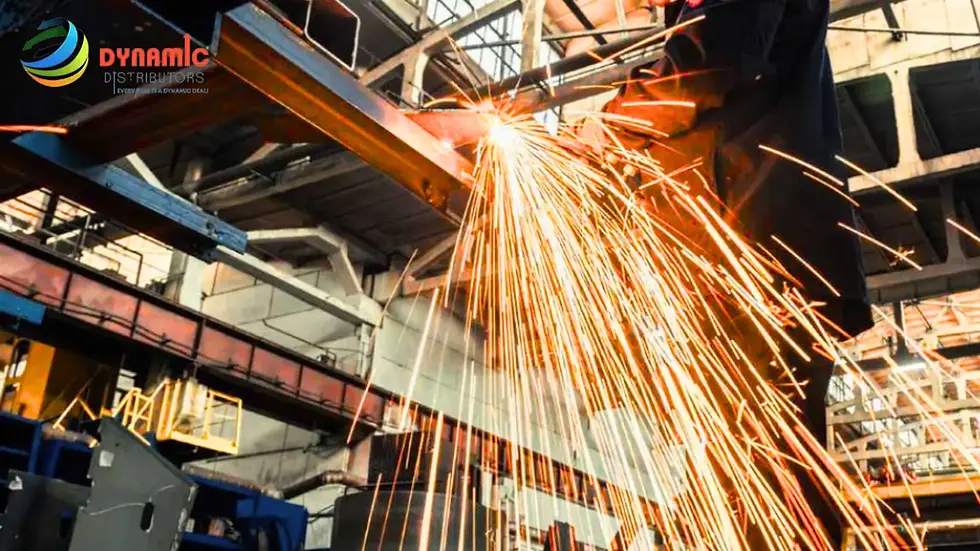
Engineer-to-order (ETO) manufacturing is a production method used to create products based on a customer's exact requirements. Instead of using an existing design, companies start the engineering and product development process after receiving an order. Every stage, including design, material planning, production, testing, and delivery, is customized to meet specific project needs. This method is commonly used for industrial machinery, heavy equipment, aerospace systems, energy projects, and other complex products that need precise engineering.
ETO projects usually require more planning and longer production times. However, they help manufacturers deliver high-value solutions, improve customer satisfaction, and build long term business relationships. This guide explains how engineer-to-order manufacturing works. It covers the process, benefits, challenges, best practices, and the role of ERP software in managing custom manufacturing projects.
What Is Engineer-to-Order (ETO) Manufacturing?
Engineer-to-order (ETO) manufacturing is a way of making products after a customer places an order. Each product is designed and built only after the order is received. The process starts with what the customer needs. There is no ready-made design. Engineers create new drawings based on the order. They choose the right materials and make a production plan. They build a solution that fits the project’s technical and working needs.
This method is used for products that are special and unique. These products cannot be made with standard methods. Industries like aerospace, industrial equipment, construction, energy and heavy machinery often use ETO. Each project needs its own design and production process.
Also Read:
Why Is Engineer-to-Order (ETO) Manufacturing Important?
Customer expectations are increasing as businesses need products that meet their specific operational needs. Standard products cannot always meet these requirements, especially for large industrial projects or specialized equipment. Engineer-to-order manufacturing helps companies create customized solutions that improve product performance, reliability, and long term value.
It also helps manufacturers serve specific markets, manage complex engineering projects, and build stronger customer relationships through close collaboration. Each project requires more planning and engineering work. However, creating unique products can increase profit margins and help manufacturers maintain a stronger position in the market.
How Engineer-to-Order (ETO) Manufacturing Works
Engineer-to-order manufacturing follows a clear process that starts after a customer places an order with specific project requirements. Each stage is planned to create a product that meets the customer's technical, operational, and quality needs. Manufacturers work closely with customers throughout the project. They review designs, confirm specifications, and make changes when needed.

Engineering teams prepare detailed drawings and create bills of materials (BOMs). They also estimate project costs and identify the resources needed for production. Procurement teams arrange the required materials. Production planners schedule manufacturing activities to keep the project on track. After production is complete, the finished product goes through testing and quality checks. The product is then delivered and installed. Technical support is provided when required.
Also Read:
Industries That Use ETO Manufacturing
Industrial machinery and automation
Heavy equipment manufacturing
Aerospace and aviation
Defense and military systems
Energy and power generation
Oil and gas equipment
Commercial HVAC systems
Marine and shipbuilding
Construction and infrastructure
Medical equipment manufacturing
Key Steps in the Engineer-to-Order (ETO) Process
Every engineer-to-order project follows several important stages to ensure the final product meets customer expectations and industry standards.
Customer Requirements
The process starts when a customer shares project requirements, technical specifications, and performance expectations. Manufacturers collect detailed information, discuss project goals, and check if the requested solution is technically and financially possible.
Concept Design
Engineers prepare an initial design based on the customer's requirements. Preliminary drawings, cost estimates, production timelines, and project plans are created. Customers review the proposed solution before detailed engineering begins.
Product Engineering
Detailed engineering starts after the concept design receives approval. Engineers finalize product drawings, prepare the bill of materials (BOM), define manufacturing specifications, and verify compliance with quality and regulatory requirements.
Production Planning
Production teams schedule manufacturing activities and assign the required resources. They prepare work orders and arrange material procurement. Planning also covers production steps, workforce schedules, and equipment availability. This helps maintain smooth operations.
Manufacturing and Assembly
Skilled workers manufacture individual components according to engineering specifications. All parts are assembled carefully while following quality standards, production procedures, and customer requirements throughout the manufacturing process.
Testing and Quality Inspection
Completed products go through detailed testing and inspections to check performance, reliability, and safety. Any needed changes are completed before the product is approved for shipment or customer acceptance.
Delivery and Installation
The finished product is prepared for safe transportation and delivered according to the agreed schedule. Installation, commissioning, and operational testing may also be completed at the customer's site when required.
Ongoing Support
Many ETO projects continue after delivery with maintenance services, technical support, product upgrades, employee training, and performance monitoring. Ongoing support helps customers get long term value from their investment.
Capacity Planning for Engineer-to-Order (ETO) Manufacturing
Capacity planning is very important in engineer-to-order manufacturing. Each project is different. It needs different resources, time, and work steps. Manufacturers must check what they have before taking a new order. They should look at machines, skilled workers, production capacity, and materials. Good planning helps share the work properly. It also helps avoid delays and use resources better during the project.
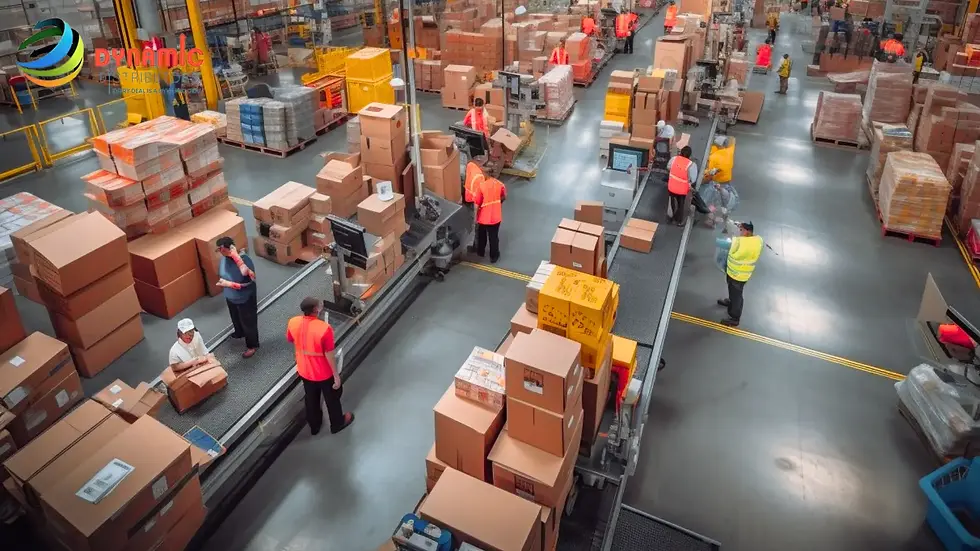
Companies should also be ready for problems. These can include design changes, late suppliers, machine breakdowns, or new customer requests. Flexible schedules help manage these issues. Teams from different departments should work together. Real-time production data also helps. It allows quick decisions and keeps projects on track. It also helps control production costs.
Also Read:
Engineer-to-Order (ETO) Manufacturing Compared to Other Manufacturing Models
Manufacturers use different production methods based on product complexity, customer needs, and production volume. Engineer-to-order manufacturing focuses on full product customization. Other manufacturing models use existing designs or standard components to reduce production time and costs. Understanding these differences helps businesses select the right manufacturing method for their products, customers, and business goals.
Manufacturing Model | Description | Best For | Main Advantage |
Engineer-to-Order (ETO) | Products are designed, engineered, and manufactured after receiving a customer order. | Industrial machinery, aerospace, energy systems, custom equipment | Complete customization and engineering flexibility |
Make-to-Order (MTO) | Manufacturing begins after receiving an order using an existing product design with limited customization. | Vehicles, machinery, furniture, appliances | Lower engineering costs with some customer customization |
Make-to-Stock (MTS) | Standard products are manufactured in advance based on demand forecasts. | Consumer goods, food, clothing, electronics | Fast delivery and lower production costs |
Assemble-to-Order (ATO) | Standard components are assembled into a finished product after an order is placed. | Computers, office furniture, networking equipment | Faster production with flexible configurations |
Configure-to-Order (CTO) | Customers select from predefined configurations using standardized components before final production or assembly. | Industrial equipment, servers, electronics | Balances customization with production efficiency |
ETO vs. Make-to-Order (MTO)
Engineer-to-order and make-to-order manufacturing both begin after receiving a customer order, but the design process is different. ETO products require complete engineering and product development before production starts.
MTO products use an existing design that customers can customize by selecting predefined options, dimensions, or materials. Because engineering work is already completed, MTO projects usually have shorter lead times and lower development costs than ETO projects.
ETO vs. Make-to-Stock (MTS)
Make-to-stock manufacturing produces standard products before customer orders are received. Production is based on demand forecasts, allowing businesses to deliver products quickly from existing inventory.
Engineer-to-order manufacturing follows the opposite approach by starting production only after customer requirements are finalized. Although MTS offers faster delivery and lower production costs, ETO provides greater flexibility for highly specialized products that cannot be manufactured using standard designs.
ETO vs. Assemble-to-Order (ATO)
Assemble-to-order manufacturing uses pre-manufactured components that are assembled after receiving a customer order. Customers can select different product configurations without changing the engineering design.
Engineer-to-order manufacturing develops both the design and product specifically for each project. As a result, ETO projects require more engineering effort, while ATO reduces production time by using standardized components.
ETO vs. Configure-to-Order (CTO)
Configure to order manufacturing allows customers to customize products by selecting from predefined features, modules, or options. The product design already exists before the order is placed, which makes production faster and easier to manage.
Engineer-to-order manufacturing starts with customer requirements instead of an existing product design. It is used for highly customized equipment, industrial systems, and large engineering projects that need unique specifications.
Best Practices for ETO Manufacturing
Managing engineer-to-order (ETO) projects requires careful planning, teamwork, and the right tools. Since every project is different, businesses need clear processes to control costs, reduce delays, and meet customer expectations. Following proven best practices helps improve project performance, maintain quality, and deliver custom products on time.

Maintain Clear Communication Throughout the Project
Good communication helps every stage of an ETO project run smoothly. Sales, engineering, purchasing, production, and finance teams should share information regularly to prevent delays and confusion.
Customers should also receive regular updates about project progress, design changes, and delivery schedules. Clear communication reduces errors, speeds up approvals, and keeps everyone focused on project goals.
Identify and Manage Risks Early
Every custom manufacturing project has some level of risk. Material shortages, design changes, overstock due to supplier delays, and technical issues can affect project schedules and costs.
Businesses should identify risks during the planning stage and prepare backup solutions. Regular quality checks, contingency plans, and project reviews help reduce problems and improve project success.
Improve Cost Estimation and Quoting Accuracy
Accurate quotes help businesses protect profits and build customer trust. Companies should use details from past projects to better estimate labor, materials, engineering time and production costs. They should also include indirect costs like design changes, testing and rework. Better estimates help avoid pricing mistakes and support better financial planning.
Build a Reliable Supply Chain
Strong supplier relationships help prevent production delays and material shortages. Manufacturers should evaluate supplier performance, delivery reliability, pricing, and product quality before making purchasing decisions. Keeping alternative suppliers for critical materials also reduces supply chain risks. Reliable sourcing improves production schedules and supports on-time project completion.
Also Read:
Standardize the Change Management Process
Customer requirements often change during ETO projects. A structured change management process helps control these revisions without disrupting production. Every requested change should be documented, reviewed, approved, and communicated before work continues. Recording the impact on costs, timelines, and project scope keeps expectations clear for both customers and internal teams.
Also Read:
Use Integrated Manufacturing
Integrated ERP software connects engineering, inventory, purchasing, production, finance, and project management in one system. This allows every department to access accurate and up to date information throughout the project.
Features such as dynamic bills of materials (BOMs), project tracking, inventory management, and cost monitoring improve coordination. They also reduce manual work and help teams manage projects more efficiently.
Also Read:
Use AI to Improve Planning and Efficiency
Artificial intelligence helps manufacturers make faster and better decisions. AI can improve cost estimates by comparing similar past projects. It can also monitor supplier performance, predict material shortages, and forecast future resource needs.
AI also helps companies store and use knowledge from previous projects. This allows businesses to improve planning, reduce risks, and increase operational efficiency over time.
Advantages of Engineer-to-Order (ETO) Manufacturing
Engineer-to-order manufacturing has many benefits. It is useful for companies that make complex and custom products. Each project is made based on what the customer needs. Because of this, companies can create solutions that normal products cannot offer. This method improves product quality. It also makes customers happier. Companies can also work with special industries that have unique needs.
ETO helps companies build strong, long-term relationships with customers. This happens because they work closely together during the whole project. Each project needs more planning and engineering. However, companies can earn more profit. They sell high-value products that solve specific problems.
Challenges of Engineer-to-Order (ETO) Manufacturing
Engineer-to-order manufacturing also presents several operational challenges because every project requires custom engineering, careful planning, and close coordination across multiple departments. Project timelines are usually longer than standard manufacturing because product designs must be completed before production begins. Engineering changes, supplier delays, material shortages, and changing customer requirements can also affect project schedules and costs.

Accurate cost estimation remains difficult during the early project stages because final specifications may continue to evolve. Businesses must also invest in skilled engineers, experienced project managers, and integrated software systems to manage complex workflows efficiently while maintaining quality, profitability, and on-time delivery.
Why ERP Is Essential for Engineer-to-Order (ETO) Manufacturing
Engineer-to-order manufacturing involves complex engineering, procurement, production planning, inventory management, and financial tracking that can quickly become difficult to manage with separate systems. An integrated ERP solution connects every department through a single platform, giving teams real-time access to project information and improving collaboration throughout the manufacturing process.
Engineering teams can manage bills of materials (BOMs), procurement teams can monitor material availability, and production managers can schedule resources using the same data. ERP software also helps businesses track project costs, monitor progress, manage inventory, automate workflows, and generate reports that support faster and more accurate decision-making throughout the entire project lifecycle.
Conclusion
Engineer-to-order (ETO) manufacturing is the ideal solution for businesses that produce highly customized products with unique engineering requirements. Although every project requires additional planning, engineering, and coordination, the ability to deliver products that match exact customer specifications creates significant long-term value. Successful ETO manufacturers combine skilled engineering teams, efficient production planning, reliable suppliers, and integrated ERP systems to manage complex projects from design through delivery.
By following proven best practices and using modern manufacturing technology, businesses can improve operational efficiency, control project costs, shorten production timelines, and deliver high-quality custom products that strengthen customer relationships and support long-term business growth.
Comments